



News
The "Saturday at Lisinski" concert season opened with a monograph, an exhibition, and aovation for the virtuoso from Mont Blanc
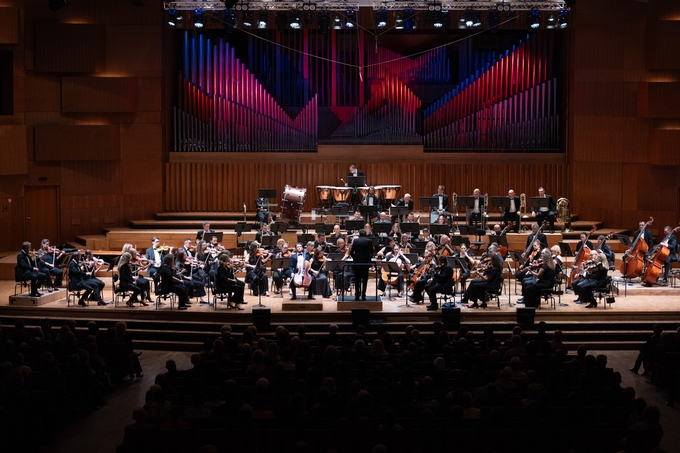
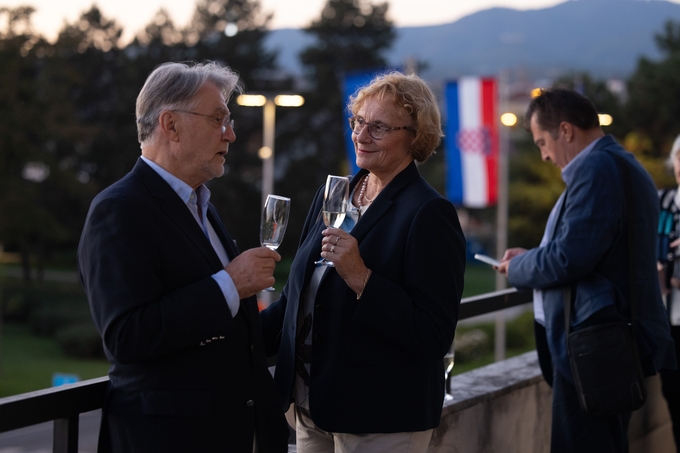
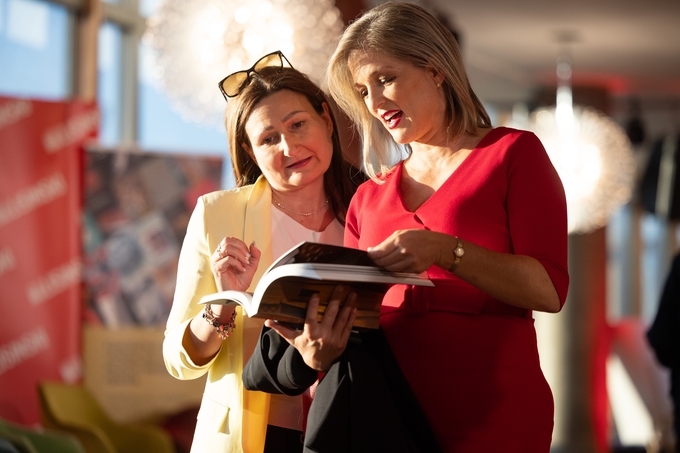
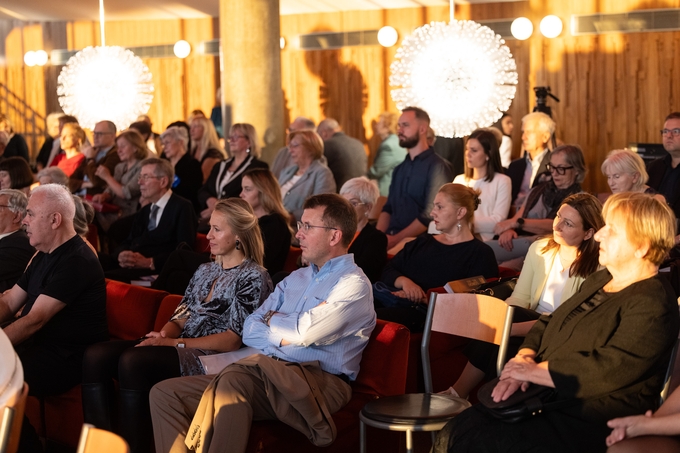
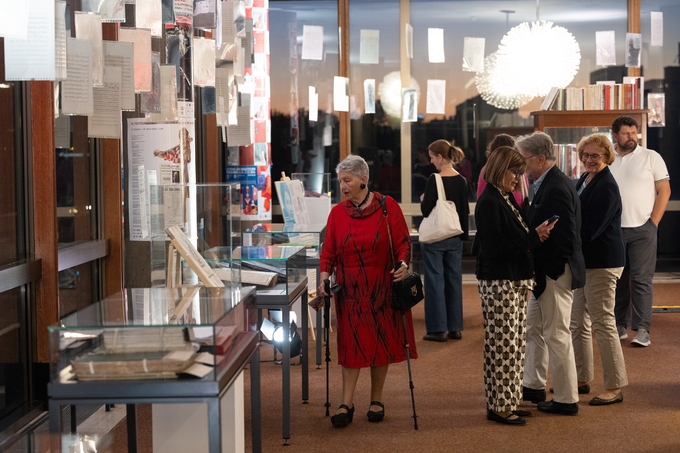
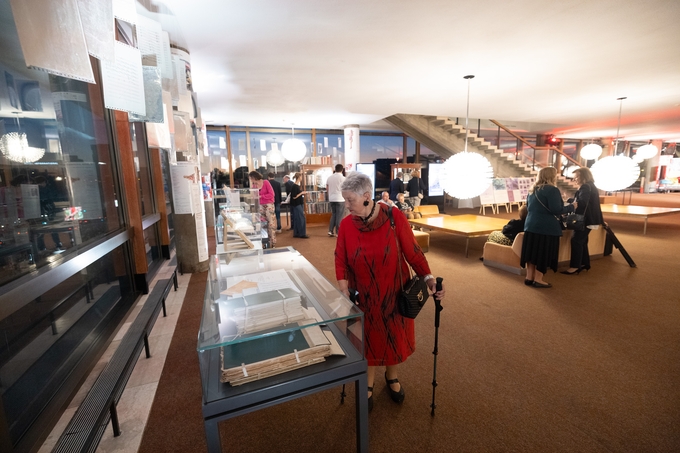
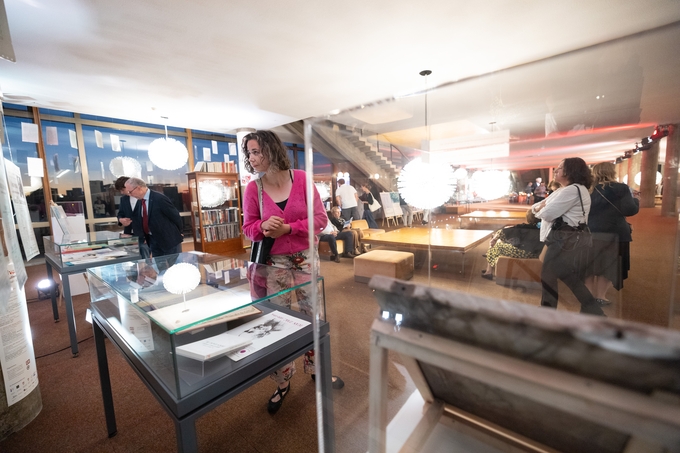
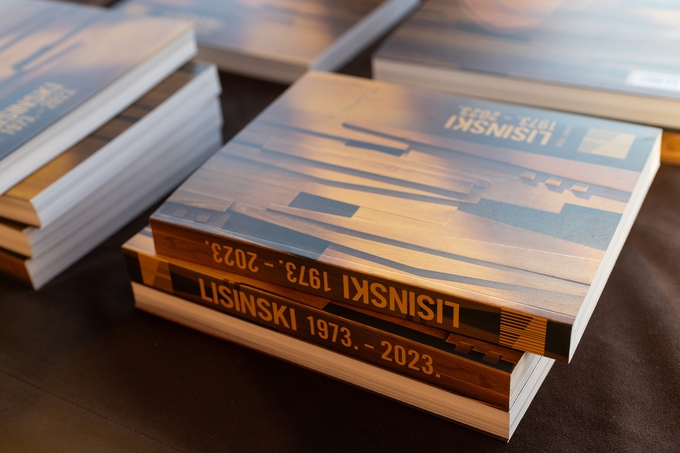





It was a triple celebration: the opening of the 45th season of the *Lisinski Saturdays* series—the flagship program of this "Palace of Music"—preceded by the presentation of a new, richly detailed monograph titled *Lisinski 1973–2023*, and the opening of the first part of an exhibition dedicated to the Lisinski Music Information Centre (MIC). The Centre is set to mark its 55th anniversary at the upcoming Interliber fair, on "Lisinski Hall Day" (December 29), and through various events continuing until the end of the season.
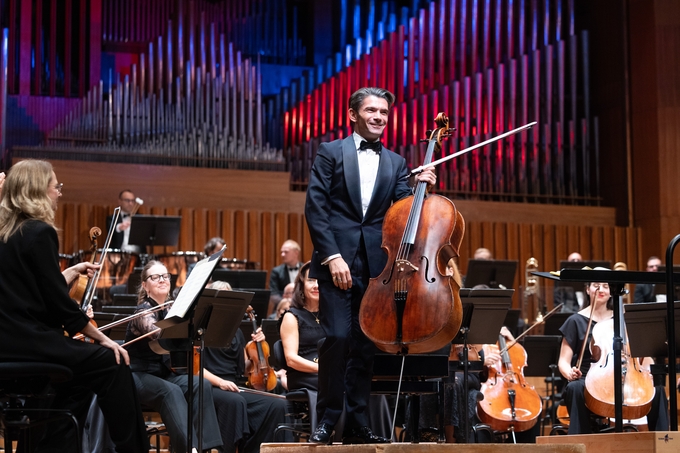
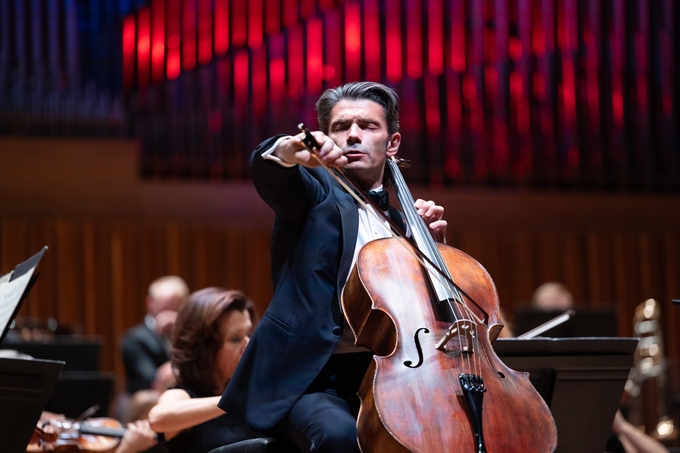
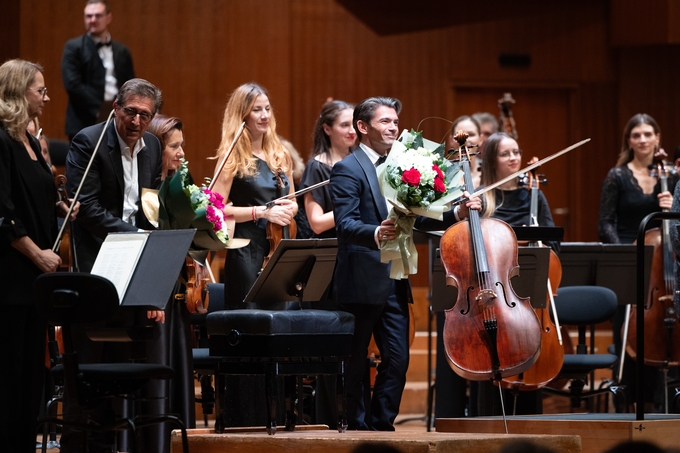
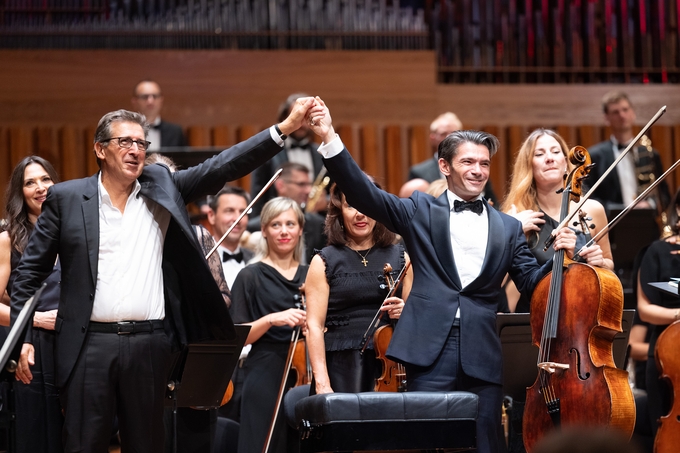
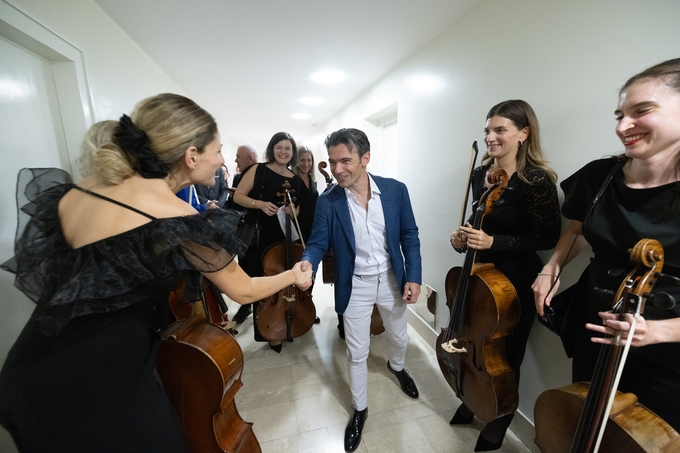
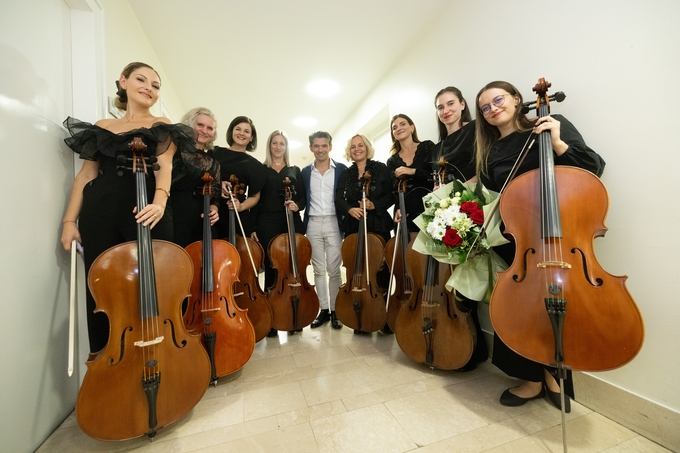
The opening concert of the *Lisinski Saturdays* series drew a standing ovation for the "king of the cello," 45-year-old Frenchman Gautier Capuçon. Performing as the soloist in Antonín Dvořák’s Cello Concerto in B minor, he captivated the audience and won them over with his broad, youthful smile. Earlier, his compatriot—the ever-cheerful Maestro Pascal Rophé—led the inspired orchestra in a stirring performance of Arthur Honegger’s Symphony No. 3, the *Symphonie liturgique*. Composed in the immediate aftermath of World War II, the work’s anti-war message seems to ask: How immense is human folly, that man should instigate such horrific wars and destruction!
Maestro Rophé continues to feel right at home in Zagreb; he has been at the helm of the HRT Symphony Orchestra since 2022 and is now serving his second term—and as he noted on Saturday, he and his musicians have many more plans for the future. A truly special moment, however, was Gautier Capuçon’s encore: the piece *Towards the Forest* by the young American composer Bryce Dessner sounded as if it came from another world. It is a track from Capuçon’s album *Gaïa*—released nine months ago—which serves as an artistic plea for the preservation of the Earth. He had commissioned works inspired by this concept from composers across the globe and from various musical genres.
He elaborated on this during a post-concert conversation hosted by musicologist Dr. Ivan Ćurković. The French artist (whose brother, the renowned violinist Renaud Capuçon, performed in the *Lisinski Saturday* series last year) explained his relationship with both music and the environment.
An avid skier and nature lover himself, he watches with dismay as the glacier atop Mont Blanc—the "Roof of Europe" in the French Alps (4,805 m)—shrinks year by year. Consequently, he decided to shake up the world in the way he knows best: by performing within that mountain massif at an altitude of 3,842 meters. That very image appears on the cover of the album *Gaïa*—the Greek word for Earth.
With a cello strapped to his back—not his own, but a 1701 instrument by Matteo Goffriller (though a less expensive one!)—he ascended via a combination of skiing and rope-assisted climbing to add his voice to the call for the planet's future.
"Admittedly, the two of us aren't exactly the best examples of avoiding fossil fuels, given that we are constantly on the road," Maestro Rophé joked. There was also discussion of the personal drama Antonín Dvořák channeled into the cello concerto performed that evening. Unhappily in love with the actress Josefina Kounicová, he married her sister Anna, yet Josefina remained in his heart. While composing the concerto in America, he received a letter from Josefina informing him she was dying. Deeply shaken, he altered the work to incorporate the melody of his song "Leave Me Alone"—a favorite of Josefina’s—and also paid tribute to her at the piece's conclusion...
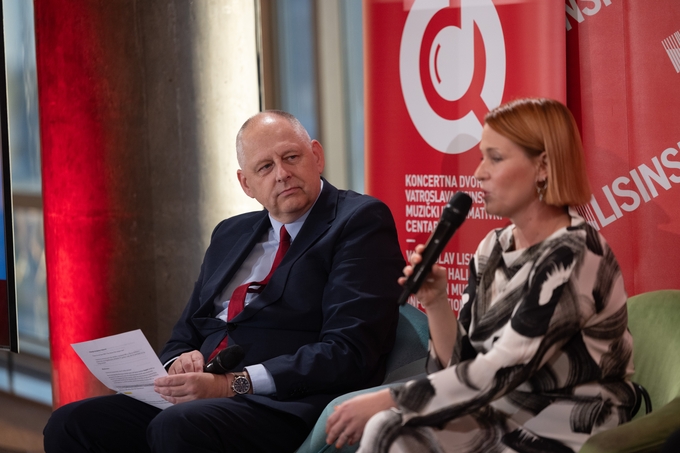
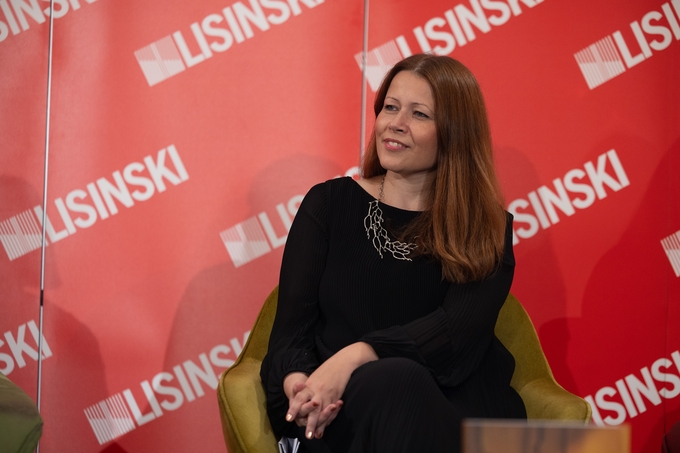
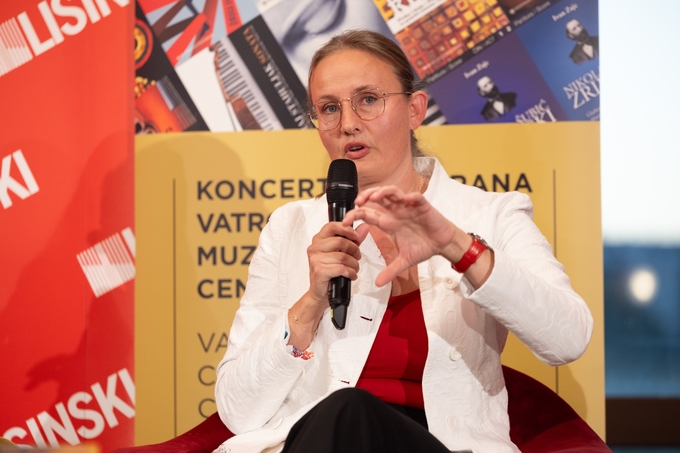
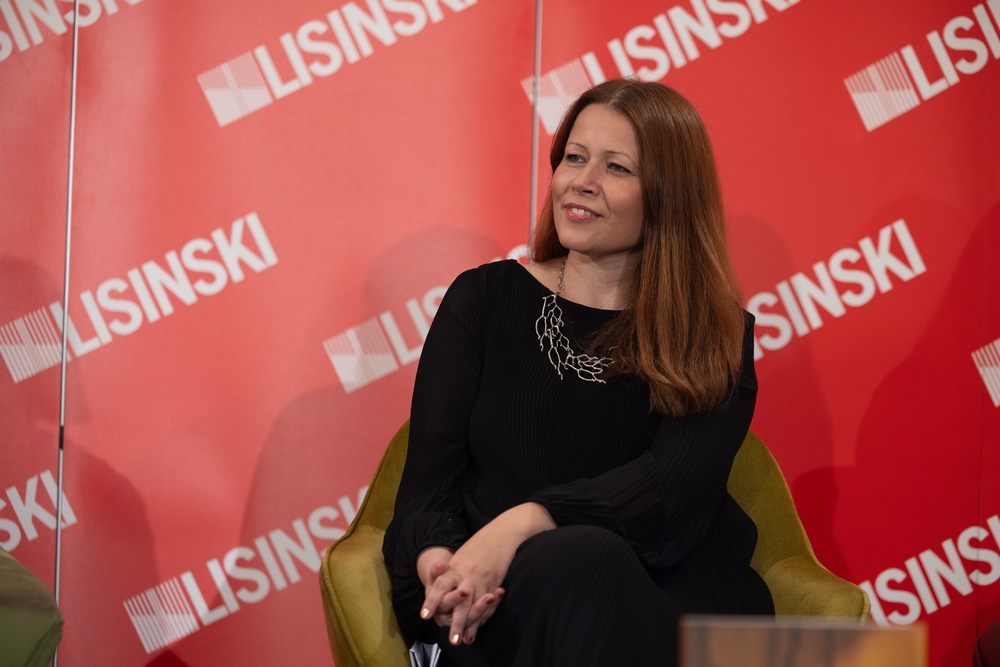
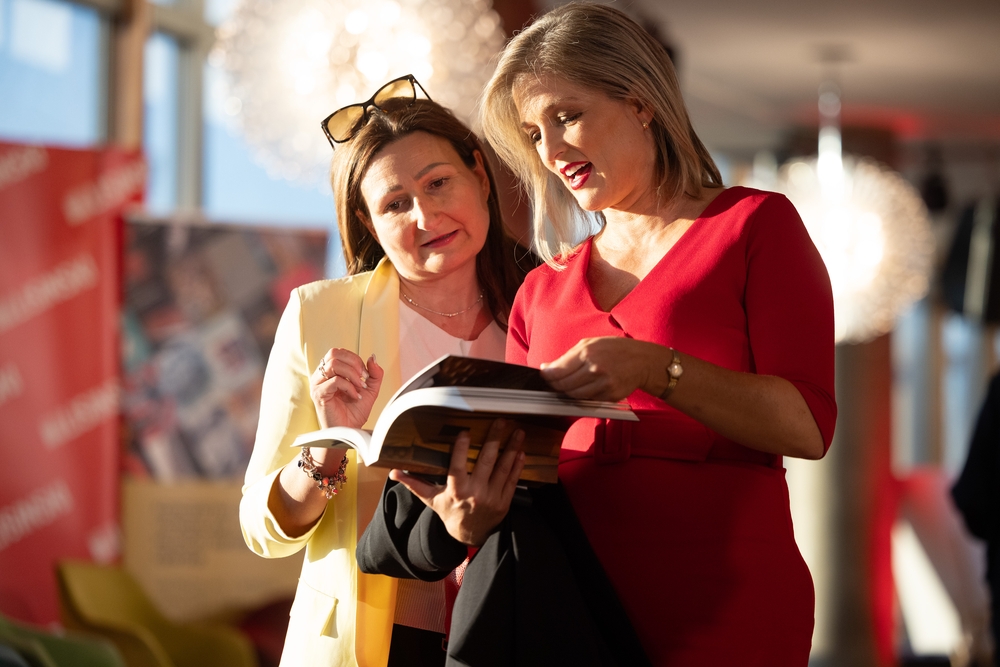
The monograph *Lisinski 1973–2023* was presented by the Hall’s director, Nina Čalopek, and the book’s author, Dr. Ana Unkić (who also serves as the director’s advisor), with moderation by Hrvoje Dečak, an editor at Lisinski. Spanning nearly 400 pages and featuring incredibly rich illustrations, the monograph originated from musicologist Ana Unkić’s doctoral dissertation, which she expanded with elements that enrich a scholarly text for a general audience.
The new monograph is available for purchase at the Lisinski box office, at all classical concerts organized by the Hall, and online via the website of the Lisinski Music Information Center (MIC).
Jelena Vuković—the head of the MIC and editor of the Hall’s monograph—also gave a fascinating presentation on the center. She introduced its small, dedicated team, which includes Dr. Davor Merkaš, Ivor Zidarić, and Josip Berend. As a leading Croatian publisher of sheet music and books on music, a custodian of archival and manuscript materials, and the operator of Quercus—the Central Information System of Croatian Music—MIC plays a vital role in connecting Croatian composers and their works with performers, researchers, and audiences. Its motto, "No performance without the score," underscores the importance of this work. In recent years, MIC has finally secured a prominent physical presence within the Lisinski Hall complex.
The *Lisinski Saturdays* series continues on October 10th with another extraordinary concert: featuring the new Camerata Vienna Milano ensemble—comprising top-tier musicians from Vienna and Milan under the baton of Jurek Dybał—the evening’s star attraction will be the French harp wizard Xavier de Maistre, considered by many to be the finest harpist of our time.
A special invitation is likely unnecessary!
Hrvoje Dečak / Lisinski Hall
photo: Boris Ščitar